Wondering what daily life in Lexington actually feels like beyond the postcard version? If you are considering a move, planning a home search, or simply trying to picture your routine here, it helps to understand how the city really functions day to day. Lexington offers a mix of in-town energy, easy access to green space, and a horse-country backdrop that shapes more of everyday life than many people expect. Let’s dive in.
Lexington Has a Distinct Daily Rhythm
Lexington feels like a mid-sized city, but it covers a wide footprint across 283.64 square miles. The Lexington-Fayette urban county had an estimated population of 329,751 as of July 1, 2025, which gives the area enough scale for strong amenities without feeling overly dense.
A useful way to picture the city is as a wheel with spokes. Major roads run from downtown outward, connecting the urban core to shopping corridors, parks, trails, and the open Bluegrass landscape beyond. That layout shapes how people live, commute, and choose where to spend time.
For many buyers, that means Lexington can feel different depending on where you land. You might want a close-in area with historic character, a corridor with easy errands and dining, or an outer edge where horse-country scenery is part of the everyday view.
Three Ways To Experience Lexington
In-town and historic living
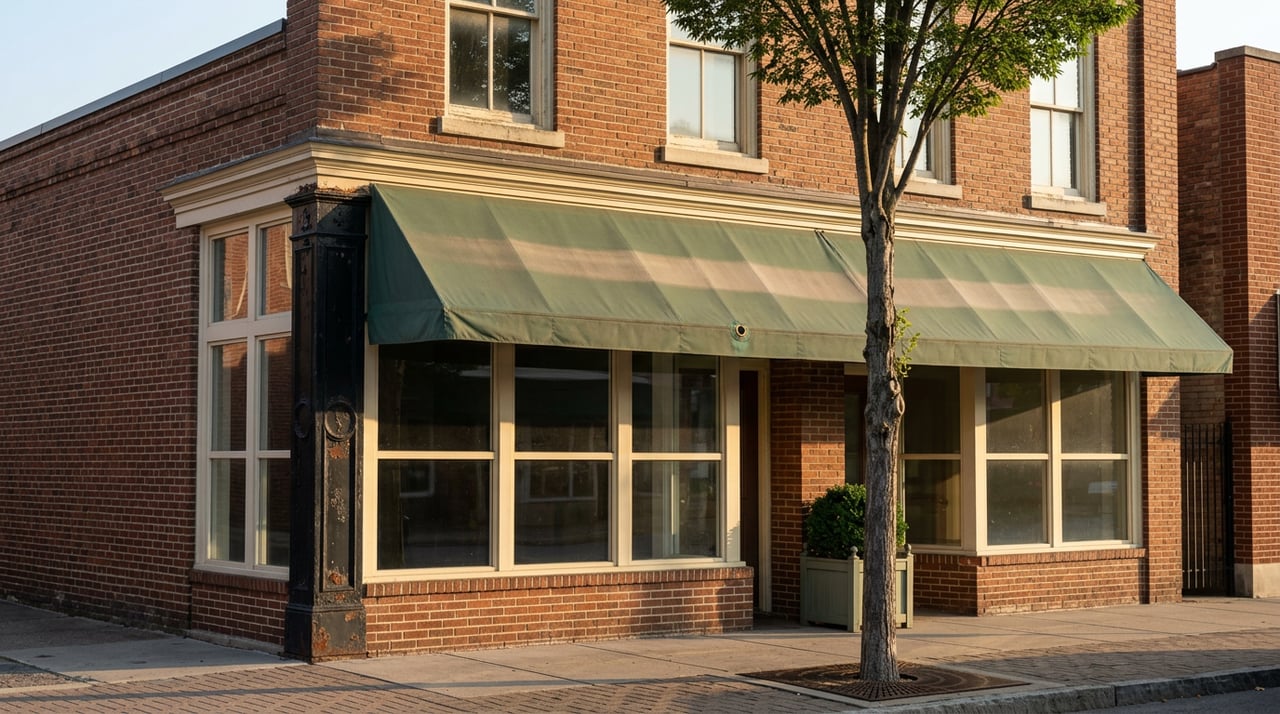
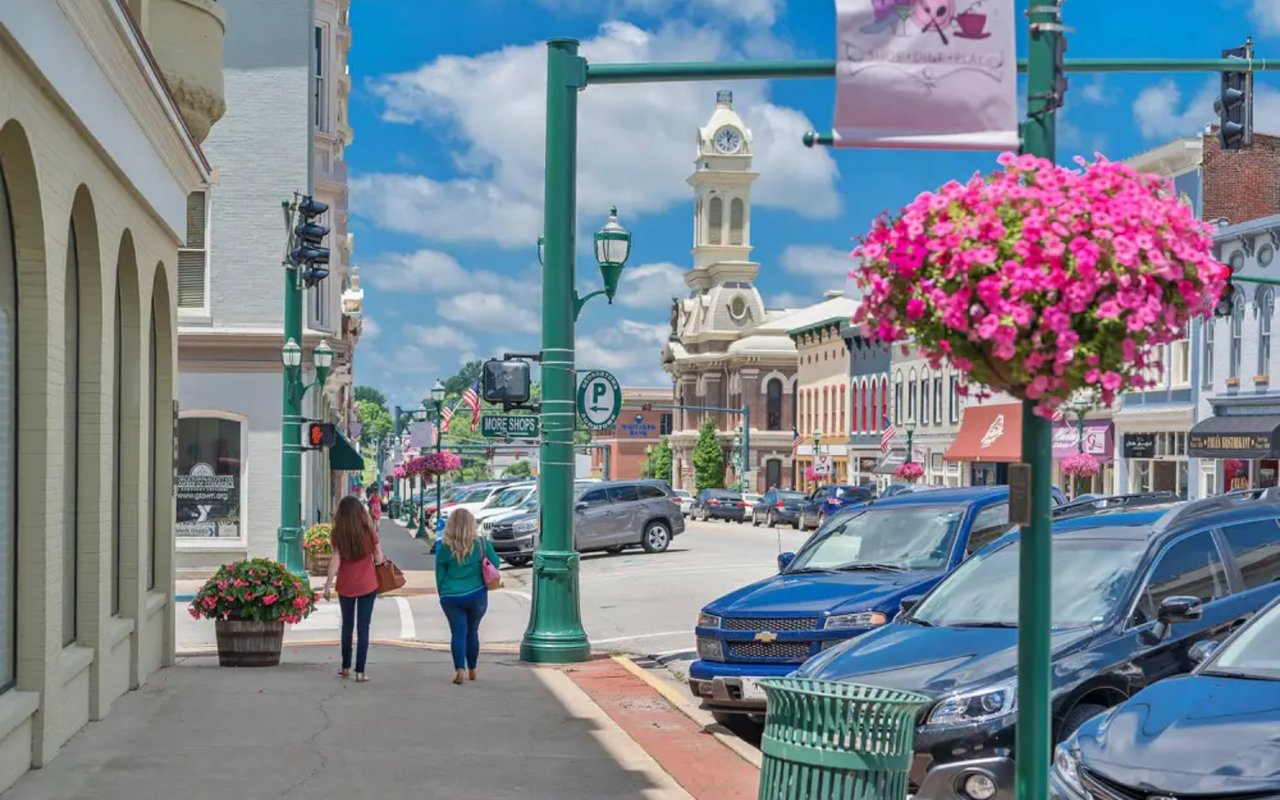
If you like being near restaurants, arts venues, parks, and older architecture, Lexington’s in-town areas offer a strong local feel. Downtown is described by the city as the heart of Kentucky’s second-largest city, with an art scene, parks, modern homes, and renovated historic buildings.
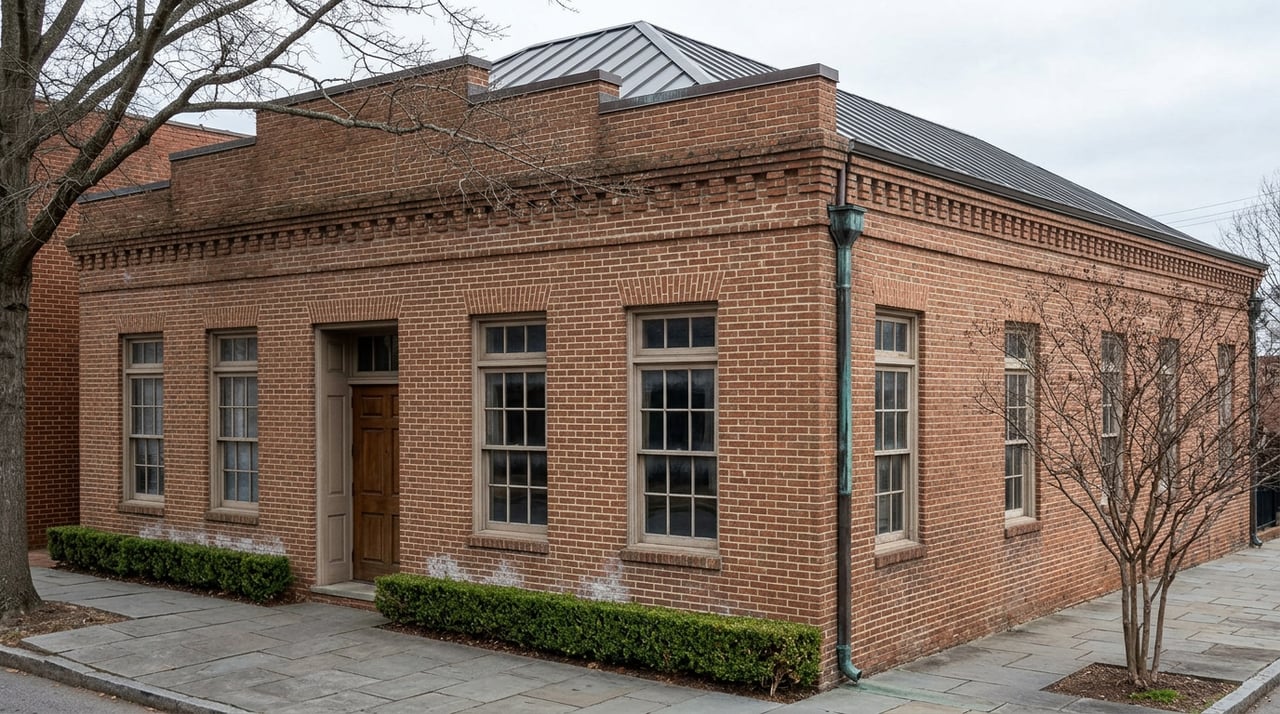
The broader close-in area includes places like Downtown, Chevy Chase, the Distillery District, Southland Drive, the Summit at Fritz Farm, and the Warehouse District. Historic districts identified by the city include Ashland Park, Aylesford, Bell Court, Gratz Park, Northside, South Hill, and Woodward Heights.
What this often means in real life is a mix of older homes, infill housing, renovated buildings, and loft-style options. If your ideal day includes grabbing coffee, meeting friends for dinner, or being close to cultural events, this part of Lexington may feel like the best fit.
Corridor-based suburban convenience
Not every buyer wants downtown energy, but many still want easy access to daily amenities. Lexington’s suburban feel is often tied to major roads and retail corridors rather than one isolated suburban zone.
Southland Drive is known as a mile-long district with locally owned businesses and a strong food and community identity. The Summit at Fritz Farm adds a mixed-use setting with almost 70 shops and more than 25 dining options, which makes it a useful example of Lexington’s more convenience-driven lifestyle.
LexTran’s route map supports this corridor pattern too. Major service areas include Georgetown Road, Tates Creek Road, Nicholasville Road, Richmond Road, Versailles Road, Southland Drive, Hamburg Pavilion, University of Kentucky routes, and the downtown connector.
If you picture daily life as school drop-offs, errands, workouts, dinner out, and a manageable drive between stops, these corridors often match that rhythm. You are still connected to the city, but your routine may feel more car-oriented and spread out.
Horse-country-adjacent edges
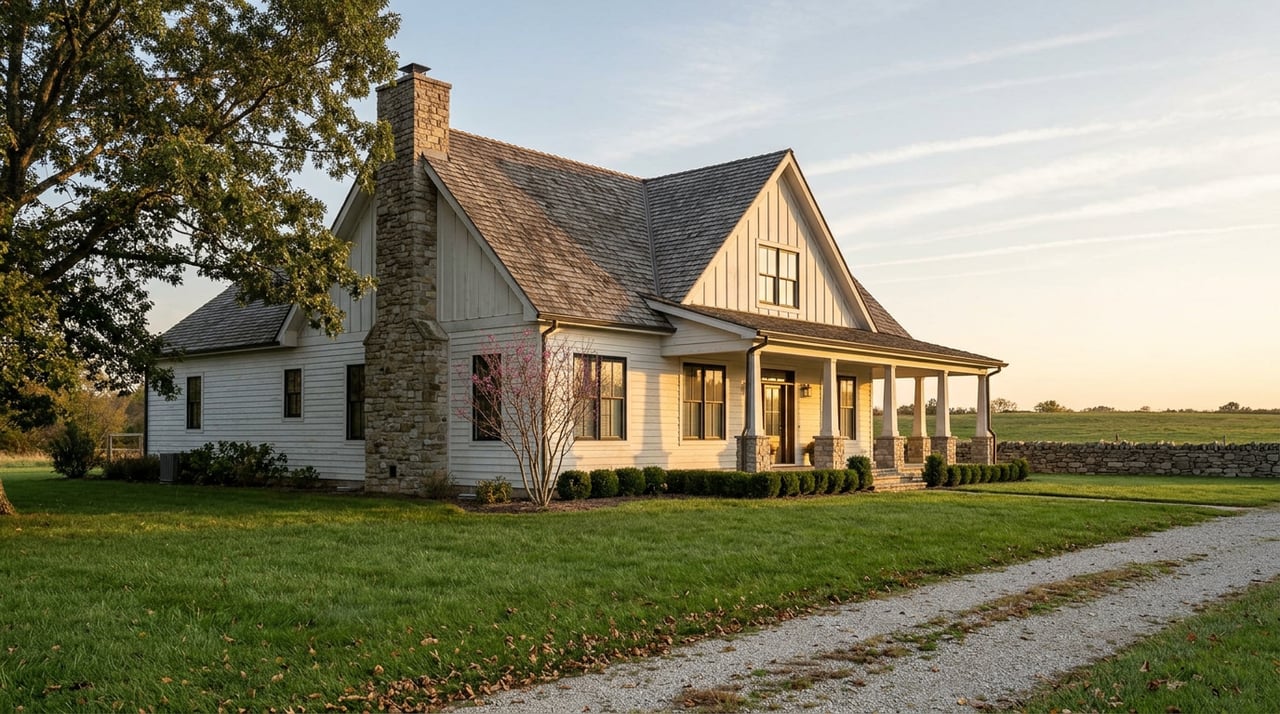
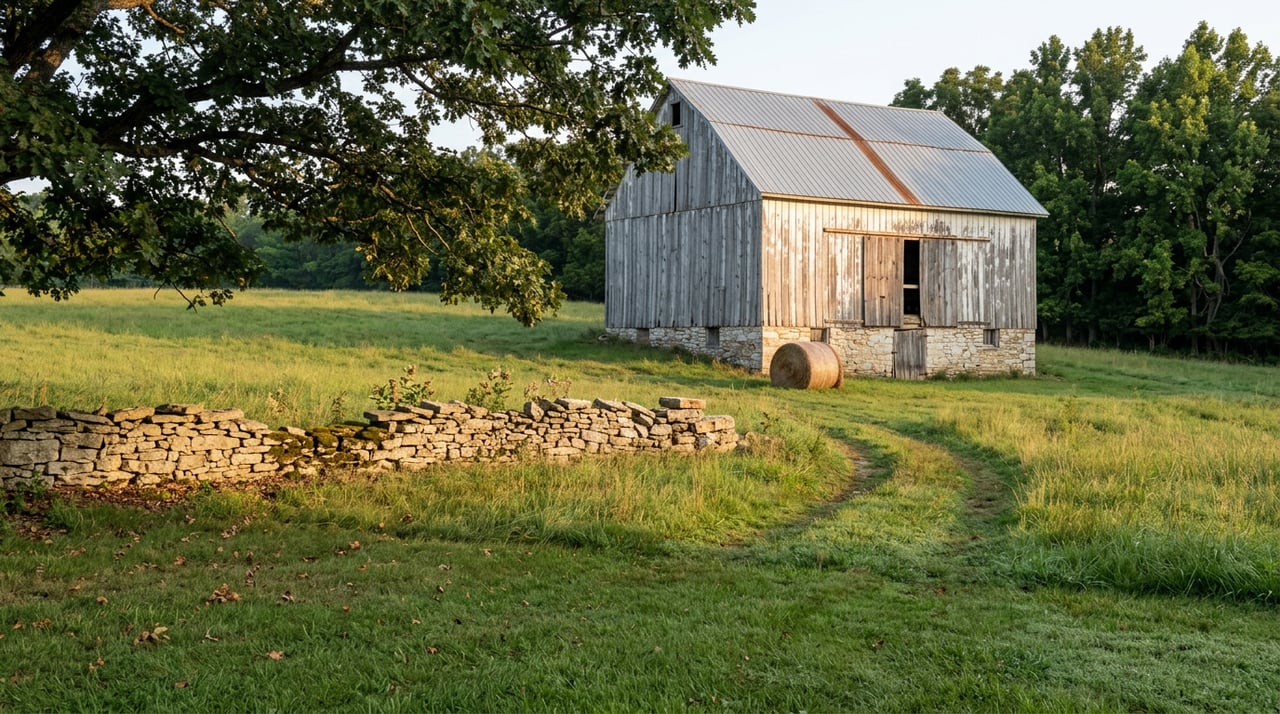
One of the most unique parts of Lexington living is how quickly the city transitions toward open land and equestrian scenery. This is not just branding. It is part of the local geography.
Keeneland sits on Versailles Road and hosts live racing in April and October. The Kentucky Horse Park is just east of I-75 off Iron Works Pike, and Old Frankfort Pike is described by the city as a National Scenic Byway and a gateway to Lexington.
If you are drawn to space, scenery, or a more rural edge without leaving the Lexington orbit, the west and north or northwest sides may stand out. For some buyers, this is where Lexington feels especially different from other mid-sized cities.
Getting Around Lexington Day To Day
Lexington is a driving city for many households, but that does not mean every area feels isolated. Census data show a mean commute time of 20.9 minutes, which helps explain why many residents find it possible to balance work, errands, and recreation without spending the whole day in traffic.
LexTran provides fixed-route service across the city, and the downtown Transit Center on Vine Street remains an important hub. The system is built around everyday corridors, which matters if you want options beyond driving for some trips.
For regional travel, Blue Grass Airport is a major quality-of-life feature. The airport offers nonstop flights to 19 destinations and serves about 1.6 million travelers annually, with access that includes hotel shuttles, rideshare pickup, taxis, and a LexTran express route to downtown on weekdays from 6:00 a.m. to 6:00 p.m.
If you are relocating from out of state, this combination can be especially appealing. You get a city that feels manageable on the ground, while still offering practical connections for work, family visits, or quick travel.
Parks And Trails Shape Local Life
A big part of Lexington’s appeal is how easy it is to mix city living with outdoor time. Lexington Parks & Recreation oversees more than 100 parks, along with community centers, golf courses, pools, and arts venues.
The trail network is one of the city’s strongest lifestyle features. Lexington’s trail system includes the 8.0-mile Legacy Trail, which runs from Iron Works Pike to West Loudon Avenue and connects into a broader downtown-to-rural corridor.
Town Branch Commons helps bring that network together. According to the city, it links the Town Branch Trail and the Legacy Trail to create 22 miles of uninterrupted trail connecting downtown to the broader rural landscape.
That matters for everyday living because green space is not tucked far away from the city center. In the right parts of Lexington, outdoor time can be part of your weekly routine rather than an occasional outing.
Natural spaces worth knowing
Lexington also offers a few standout natural areas that help define local life. Raven Run Nature Sanctuary is a 734-acre park just outside Lexington with about 10 miles of trails.
McConnell Springs is a 26-acre natural area with nearly two miles of trails and historical significance as the place where Lexington was named in 1775. The Arboretum is a 100-acre tract described by the city and the University of Kentucky as the State Botanical Garden of Kentucky.
If your ideal lifestyle includes walking trails, quiet outdoor space, or a change of pace without a long drive, these places add real value to living in Lexington.
Culture Feels Accessible Here
Lexington’s cultural life is visible, but it usually feels approachable rather than overwhelming. Downtown has a concentrated mix of arts, dining, events, and historic architecture that gives the city a steady sense of activity.
The Pam Miller Downtown Arts Center hosts theater, dance, music, and visual arts. Rupp Arena remains a major draw, and places like Greyline Station and the Distillery District add more options for dining, events, and local activity in restored historic spaces.
The University of Kentucky also shapes the city’s energy. Its presence brings campus events, research activity, and a steady flow of student and visitor movement that adds another layer to everyday life.
For many residents, this creates a sweet spot. There is enough going on to keep weekends interesting, but the city still feels easy to navigate and personal in scale.
What Lexington Feels Like For Homebuyers
If you are trying to decide whether Lexington matches your lifestyle, it helps to focus on how you want your days to look. Some buyers want walkable pockets and historic charm. Others want easier parking, retail convenience, and access to major roads.
You may also want a setting that blends residential living with trails, open views, or proximity to horse-country landscapes. Lexington gives you several versions of that experience within one market.
This is where local guidance matters. A home that looks right on paper may feel very different once you understand its daily drive patterns, nearby amenities, and how connected it is to the parts of Lexington you will actually use.
As a broker serving Central Kentucky, Jess Noto helps buyers and sellers think beyond square footage and into how a home supports the life you want to build. If you want help narrowing down the right Lexington fit, Jess Noto is a great place to start.
FAQs
What is everyday life like in Lexington, Kentucky?
- Everyday life in Lexington often blends city convenience with outdoor access, major shopping and dining corridors, and a strong horse-country backdrop that is visible in many parts of the area.
Is Lexington, Kentucky walkable?
- Lexington has walkable pockets, especially downtown and some close-in districts, but many daily routines still center on driving and major road corridors.
What parts of Lexington feel most urban?
- Downtown, Chevy Chase, the Distillery District, and the Warehouse District are among the areas most associated with close-in living, dining, culture, and historic character.
Does Lexington have good parks and trails?
- Yes. Lexington Parks & Recreation oversees more than 100 parks, and the city’s trail system includes the Legacy Trail and the Town Branch Commons connection that creates 22 miles of uninterrupted trail access.
Is Lexington easy to get around for commuters?
- Many residents rely on driving, and the mean commute time is 20.9 minutes. LexTran also serves major city corridors, and Blue Grass Airport adds convenient regional access.
What makes Lexington different from other Kentucky cities?
- Lexington stands out for its mix of a compact cultural core, extensive park and trail access, and a horse-country setting that is part of the city’s everyday geography.